Brent Council rules for placing flowers in Kensal Green
Posted on 12/10/2026
Brent Council rules for placing flowers in Kensal Green: what you need to know before you leave a tribute
If you are arranging flowers in Kensal Green, whether for remembrance, a funeral, a family visit, or simply a quiet moment of respect, the details matter more than people expect. Brent Council rules for placing flowers in Kensal Green are there to keep shared spaces tidy, safe, and considerate for everyone. That sounds dry on paper, but in real life it usually comes down to simple things: where the flowers go, how long they stay, and whether they interfere with access or maintenance.
Truth be told, most people are not trying to cause a problem. They just want to leave something beautiful. But one misplaced tribute can block a path, end up in the wrong area, or be removed sooner than expected. This guide walks you through the practical side of placing flowers in Kensal Green so you can do it properly, calmly, and with as little stress as possible.
Along the way, we will cover what the rules usually mean in practice, how to avoid common mistakes, when it makes sense to use a local florist, and how to choose flowers that are more likely to suit the setting. If you also need a thoughtful arrangement arranged locally, a florist in Kensal Green can help you keep things simple and respectful.
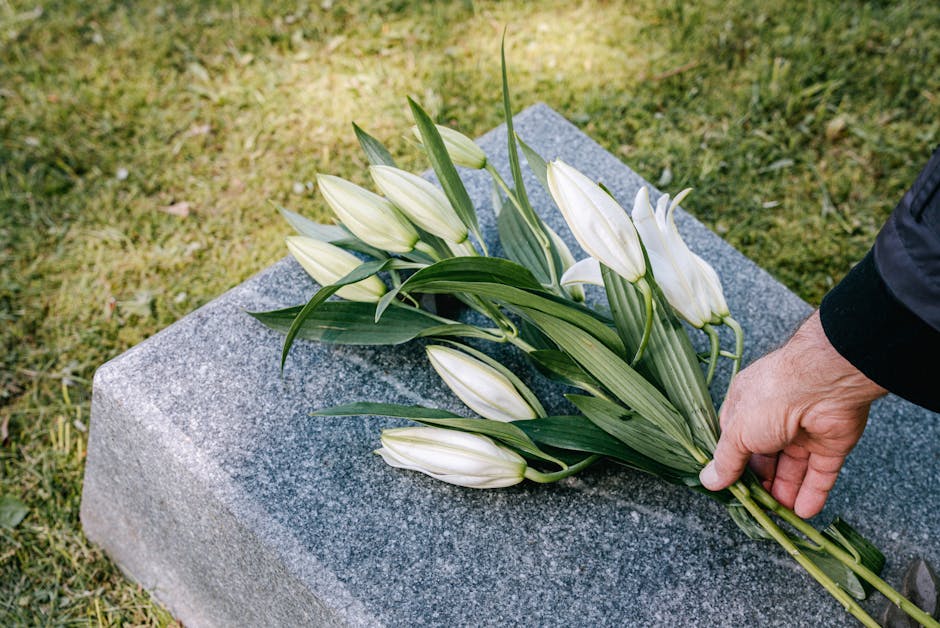
Why Brent Council rules for placing flowers in Kensal Green Matters
Kensal Green is a place where people go for many different reasons: a grave visit, a memorial date, a family gathering, or just a quiet walk that turns into reflection. In that kind of setting, flowers do more than decorate. They signal care, loss, memory, and often love. So the rules around placement are not just bureaucracy for the sake of it. They help preserve dignity.
Brent Council rules for placing flowers in Kensal Green matter because the area is shared. Paths need to stay clear. Grounds teams need access. Other visitors need space. And, to be fair, weather in London does not always help. A neat bouquet on a calm morning can become scattered petals, dropped cellophane, and a soggy stem bundle by the afternoon if it is left in the wrong spot.
There is also a practical side. If flowers are left somewhere that is not permitted, they may be moved or removed during routine maintenance. That can be upsetting if you thought you had placed them in a lasting way. A little planning saves that disappointment. It also saves the awkward moment of realising your tribute has been shifted because it was blocking an entrance, a memorial base, or a maintenance route. Nobody wants that.
Quick takeaway: the safest approach is to place flowers neatly, keep access routes clear, and treat the site as a working, shared space rather than a private display area.
If you are sending flowers for a memorial occasion and want something appropriate for a sensitive setting, options like sympathy flowers or a restrained tribute style are often better suited than a very large arrangement.
How Brent Council rules for placing flowers in Kensal Green Works
The exact details can vary by location within Kensal Green, but the practical logic is usually consistent. Councils and site managers generally try to balance personal remembrance with public access, maintenance, safety, and the appearance of the grounds. That means flowers are often allowed in certain places, discouraged in others, and sometimes restricted to avoid clutter or damage.
In everyday terms, this usually means you should think about four things before you place anything down:
- Location: Is this a grave, memorial, or a general area where tributes are accepted?
- Size: Is the arrangement compact enough not to block paths or neighbouring spaces?
- Materials: Will the wrapping, ribbon, stands, or containers create litter or hazards?
- Timing: Will the flowers be collected or maintained before they wither and spread debris?
It also helps to remember that floral tributes are sometimes handled differently depending on whether they are fresh cut flowers, posies, wreaths, sprays, or tribute lettering. A small bunch tucked neatly into place is one thing. A heavy display with foam, plastic supports, and loose packaging is another entirely. The latter is more likely to be restricted or cleared more quickly.
If you are arranging flowers for a funeral or memorial, it can be useful to look at styles designed for that purpose, such as funeral flowers in Kensal Green or a more formal tribute from the tributes collection. Those designs are often more suitable than a casual hand-tied bouquet.
One thing people sometimes miss: the rule is not just about what you place, but what happens after. Will the flowers be left to wilt in a public area? Will wind blow cards away? Will water spill on steps? Small details, yes, but they add up.
Key Benefits and Practical Advantages
Following the local rules does more than avoid hassle. It makes the whole experience calmer and more respectful. That is the real benefit. You can arrive, place the flowers, and focus on the reason you are there rather than worrying whether you are doing the wrong thing.
- Less risk of removal: Flowers placed appropriately are less likely to be moved during maintenance.
- More dignity: A neat tribute feels more fitting in a memorial setting.
- Better access for others: Clear paths matter for visitors, staff, and anyone with mobility needs.
- Reduced waste: Suitable arrangements are easier to manage when they come to the end of their life.
- Less stress on the day: You do not have to second-guess where to put everything.
There is also a subtle emotional benefit. A well-placed tribute often feels more intentional. You notice the moment more clearly. The flowers sit properly, the card stays dry, the space around them feels calm. It sounds small, but for many people that smallness is everything.
If you need flowers quickly, a local service can help you avoid last-minute panic. For example, same-day flower delivery in Kensal Green or next-day flower delivery can be useful when plans change suddenly. Let's face it, memorials and family occasions do not always run on a tidy timetable.
Who This Is For and When It Makes Sense
This topic matters to a wider group of people than you might think. It is not only for funeral planners or bereaved families. In practice, it helps anyone who wants to place flowers in Kensal Green respectfully and without complications.
- Families visiting graves: especially when bringing seasonal flowers or anniversary tributes.
- People attending funerals: who need to know what is appropriate at the site.
- Friends and neighbours: leaving a spontaneous memorial tribute.
- Funeral directors and arrangers: coordinating a service with floral placement.
- Florists: selecting designs that fit the setting and any site expectations.
It also makes sense if you are deciding between a simple bouquet and something more structured, like a wreath or casket spray. In many memorial settings, shape and scale matter almost as much as colour. A compact tribute may suit one situation better than a large display, even if both are beautiful.
If your aim is to send something thoughtful without overcomplicating things, browse options like send flowers in Kensal Green or the more general flower delivery Kensal Green NW10 page. Those pages are useful when you want to keep the process practical and local.
And yes, sometimes the simplest choice is the best one. People often overthink flowers. You really do not need to. A neat arrangement with the right colours and size usually says enough.
Step-by-Step Guidance
If you want to place flowers in a way that fits Brent Council expectations and the atmosphere of Kensal Green, use a steady, simple process. No drama, no guessing.
- Check the exact location first. Make sure you know whether you are placing flowers at a grave, memorial, or another permitted area. Rules can feel broad, but placement is usually location-specific.
- Choose a suitable arrangement. Compact hand-tieds, low posies, wreaths, and funeral tributes tend to work better than tall, loose, or heavily packaged flowers.
- Keep packaging minimal. Remove excess plastic, loose wraps, and anything likely to blow away. A small card is fine; clutter is not.
- Think about weather. Wind, rain, and cold can affect petals and ribbons. On a grey London morning, what looks elegant indoors can be another story outdoors.
- Place the flowers neatly and safely. Avoid blocking paths, edging, signs, or access points. Keep everything stable.
- Check the site after placement. If a card is loose or stems are leaning, adjust them before you leave.
- Plan for later removal or decay. If the flowers are likely to be left, choose something that will age gracefully rather than collapse into litter.
That last point is worth pausing on. Some people assume flowers are a set-and-forget tribute. They are not. Even the loveliest arrangement has an end point, and a respectful placement includes thinking about how it will be handled later.
For extra peace of mind, you can also ask a local florist to prepare a style that suits memorial use. Something like baskets and posies or wreaths may be easier to place neatly than a sprawling bouquet.
Expert Tips for Better Results
In our experience, the best floral tributes are rarely the biggest. They are the ones that feel considered. A few small decisions make a big difference.
Choose stable forms over loose designs
For outdoor or semi-outdoor placement, sturdier arrangements tend to hold up better. Posies, baskets, wreaths, and tribute sprays often stay neater than open bouquets. If the site is exposed to wind, a more compact profile is your friend. Nobody wants roses rolling off in the breeze. It happens.
Match the tone to the occasion
A joyful bouquet may be lovely in the right context, but memorial placements often suit softer whites, creams, pinks, purples, or gentle mixed colours. A stronger palette can still work if it reflects the person being remembered, but it should be deliberate rather than loud for the sake of it.
Use flowers that last reasonably well
Some blooms handle travel and changes in temperature better than others. If you need an arrangement that will stay fresh through the day, ask for advice on hardier stems and reliable greenery. You may also find the flower care guidance useful if the flowers will be moved from one place to another before placement.
Keep the message simple
A short card often says more than a long paragraph. A name, a date, and a few sincere words are usually enough. Do not feel you need to write a speech on a card the size of a biscuit. Small, tidy, honest. That tends to work best.
Ask what happens after placement
This is the bit many people forget. Will the flowers be collected later? Will the grounds team remove old arrangements after a certain period? Will a vase or container be allowed? Clarifying those points in advance can save a lot of uncertainty.
Common Mistakes to Avoid
The most common mistakes are usually not dramatic. They are small, avoidable, and a little frustrating because they are so easy to prevent.
- Leaving flowers in the wrong spot: especially near paths, gates, or maintenance access.
- Using too much packaging: cellophane, plastic ties, and oversized wraps can create waste and look untidy.
- Choosing overly large arrangements: size can become a problem faster than people expect.
- Ignoring weather conditions: rain can flatten soft blooms and make cards unreadable.
- Assuming all areas accept the same placement: not every part of Kensal Green will be treated the same way.
- Leaving damaged or wilted flowers too long: a tribute should not become a mess that affects others.
- Forgetting the card or dedication: especially if several tributes are present.
Another subtle mistake is overmatching the wrong occasion. A huge anniversary bouquet might be perfect for a private celebration, but less suitable at a memorial space. The context matters. Always.
Tools, Resources and Recommendations
You do not need special equipment to place flowers well, but a few practical items help.
- Scissors or secateurs: useful for trimming stems cleanly before placement.
- A simple card holder or tag: keeps messages readable and less likely to blow away.
- Minimal wrapping: make sure it can be removed easily if needed.
- A sturdy carrier or box: helpful when transporting arrangements by car, taxi, or on the Tube.
- A small cloth or tissue: handy for wiping water from stems or hands before you arrive.
If you are unsure about style, start with the local product ranges rather than trying to improvise something complicated. A plain bouquet from flower shops in Kensal Green can be a safer choice than a design that looks impressive but is difficult to place neatly.
You may also want to compare fresh flowers with seasonal or budget-friendly options. If cost matters, the pages for cheap flowers in Kensal Green and budget flowers can help you find something respectful without overspending. Not every tribute needs to be grand to be meaningful.
Law, Compliance, Standards, or Best Practice
Without inventing any local rule detail that is not publicly confirmed here, the safest way to think about this topic is through accepted public-space best practice. In a shared grounds setting, the main priorities are usually safety, access, tidiness, and respect for others. That is the baseline most councils and site managers work from.
In practical terms, that means:
- do not obstruct walkways or entrances;
- do not leave items that could become a trip hazard;
- avoid loose litter, plastic, and unstable containers;
- do not place tributes where maintenance crews cannot reach them;
- be prepared for flowers to be moved if they block essential access;
- follow any local signage or site instructions if they are present.
For funeral and memorial settings, best practice also includes discretion. Quiet placement, modest packaging, and a respectful colour palette usually feel appropriate. If you are sending flowers on behalf of a business or group, keep the arrangement professional and clearly labelled. A tribute that is too loud can unintentionally miss the mood. It happens more than you would think.
If you are ordering online, it is sensible to read the local service pages too. The delivery information, returns and refund policy, terms and conditions, and sustainability pages are all useful for understanding how the service is run and what to expect if something changes.
Options, Methods, or Comparison Table
If you are deciding what kind of flowers to place, it helps to compare the common options in a straight, practical way. Here is a simple guide.
| Option | Best for | Pros | Things to watch |
|---|---|---|---|
| Hand-tied bouquet | Small personal tributes | Easy to carry, flexible, familiar | Can look untidy if too loose or overwrapped |
| Posy | Graveside placement, compact memorials | Neat, stable, respectful | May be too small if several people are contributing |
| Wreath | Formal tributes, funerals, commemorations | Very traditional, visually clear | Needs enough space and a stable base |
| Spray | Funeral displays, casket-side arrangements | Elegant, structured, suited to ceremonies | Less suitable for informal placement |
| Basket arrangement | Longer-lasting placement | Stable, contained, low-risk | Can be heavier and more obvious |
In plain English: if you want something neat and low-fuss, a posy or basket is usually easier to manage. If you are arranging flowers for a more formal farewell, a wreath or spray may be more appropriate. And if you are simply sending a thoughtful gesture, a modest bouquet is often enough.
Case Study or Real-World Example
Here is a realistic example from the kind of situation people run into all the time. A family is visiting Kensal Green on a damp Saturday morning in late autumn. They bring a mixed bouquet, a small card, and ribbon tied a bit tighter than expected because the wind is up and the air has that sharp, rainy London feel.
At first, they think they can leave the flowers directly beside the memorial item they came to honour. But the area is close to a narrow path, and there is foot traffic from other visitors. Rather than placing the bouquet where it might be knocked, they adjust it to a slightly safer spot, keep the card visible, and remove the extra wrapping. It takes an extra minute. Maybe two.
That tiny adjustment changes everything. The flowers stay upright. The message is easy to read. The area still feels personal, but it does not crowd the walkway. Nobody is rushed, nobody is apologetic, and the tribute remains in place without causing a nuisance. It is not dramatic. Just sensible.
In that sort of moment, the rule is not really about restriction. It is about making the tribute fit the setting. That is the difference between a flower arrangement that feels welcome and one that feels like it is in the way.
Practical Checklist
Use this quick checklist before you place flowers in Kensal Green.
- Have I checked the exact location and whether flowers are appropriate there?
- Is the arrangement compact enough to avoid blocking access?
- Have I removed excess packaging and loose plastic?
- Is the flower choice suitable for an outdoor or shared memorial setting?
- Have I included a small, secure card or message?
- Will the arrangement hold up in today's weather?
- Have I kept the placement respectful and unobtrusive?
- Do I know whether the flowers may be moved or cleared later?
- Have I chosen a style that matches the occasion?
- Am I confident the tribute will look tidy rather than temporary and messy?
If you can answer yes to most of those, you are in a good place. Not perfect. Just good enough to be respectful and practical, which is really what most people want.
Conclusion
Brent Council rules for placing flowers in Kensal Green are best understood as a framework for care, not a hurdle to jump over. They help keep memorial spaces dignified, accessible, and manageable for everyone who uses them. Once you know the basics, the process becomes much easier: choose a suitable arrangement, keep it neat, place it thoughtfully, and think about what happens next.
That is the heart of it. A well-placed tribute does not need to shout. It just needs to feel right. If you take a few minutes to plan it properly, you will almost always end up with something that looks better, lasts longer, and feels more comforting on the day.
If you are still deciding on the right flowers, take your time and look at the available local options. A calm choice now is usually the kindest choice later. And that, honestly, is no small thing.
Get a free quote today and see how much you can save.
Frequently Asked Questions
Can I leave flowers anywhere in Kensal Green?
No, not usually. Flower placement should be based on the specific area and any site guidance that applies there. The safest approach is to keep flowers in a permitted or clearly appropriate place and avoid blocking paths or access points.
Are wreaths allowed, or should I use a bouquet?
Both can be suitable, but it depends on the occasion and the space available. Wreaths are often more formal and need more room, while bouquets and posies are easier to place neatly in smaller memorial areas.
Do flowers need to be in a vase?
Not always. In many memorial settings, a compact arrangement or tribute may be fine without a vase, but a stable container can help in outdoor conditions. The main goal is to keep the flowers secure and tidy.
How long can flowers be left there?
That depends on the site, the condition of the flowers, and any maintenance schedule in place. Fresh flowers look best for the first few days, but wilted or messy arrangements should not be left to cause litter or obstruction.
What flowers are best for a memorial tribute?
Soft, elegant choices are usually most appropriate: roses, lilies, carnations, chrysanthemums, or mixed sympathy flowers. The best choice depends on the person, the occasion, and how formal the tribute needs to be.
Can I send flowers instead of placing them myself?
Yes, that is often the easiest option. A local delivery service can arrange something suitable and timely, especially if you are not able to visit in person or need the flowers delivered on the day.
What if the weather is bad?
Wet or windy weather can affect both the flowers and the placement. In that case, choose a sturdier design, reduce packaging, and keep the arrangement compact so it is less likely to blow over or get damaged.
Will the council remove flowers?
Flowers may be moved or removed if they are placed in a way that blocks access, creates a hazard, or become untidy over time. That is why it helps to place them carefully and avoid oversized displays in narrow areas.
Is there a difference between funeral flowers and remembrance flowers?
Yes, usually. Funeral flowers are often designed for ceremony and formal presentation, while remembrance flowers may be simpler and intended for later placement at a grave or memorial space.
What should I write on the card?
Keep it short and sincere. A name, date, and a simple message such as "with love," "always remembered," or "thinking of you" is often enough. You do not need to write much to make it meaningful.
Are budget flowers disrespectful?
Not at all. A thoughtful, well-chosen arrangement matters far more than the price. A modest bouquet or posy can be every bit as meaningful as a larger display if it is chosen with care.
Should I ask a florist for advice before placing flowers?
If you are unsure, yes. A florist familiar with local memorial and delivery needs can help you choose a size, style, and colour palette that suits the setting and avoids practical problems.